If your billing team feels constantly overwhelmed—but your collections aren’t improving—you’re not alone. Many medical practices reach a point where in-house billing quietly becomes more expensive than they realize.
Early on, managing billing internally often makes sense. It offers control, familiarity, and the perception of lower costs. But as practices grow and reimbursement becomes more complex, those assumptions can erode. What once felt manageable can turn into a persistent drain on revenue, time, and leadership focus.
The challenge is that many of the costs tied to in-house billing aren’t immediately visible. Understanding when those costs outweigh the benefits is key to making the right decision for your practice’s future.
The True Cost of In-House Billing vs Outsourcing (Beyond Salaries)
Most practices evaluate in-house billing costs by looking at staff salaries. While compensation is significant, it’s only the starting point.
Direct labor costs add up quickly. In addition to wages, practices often pay overtime during peak periods and rely on supervisors or managers to oversee billing operations. Coverage during vacations, sick leave, or unexpected absences further increases expenses.
Indirect labor costs are easy to overlook. Recruiting, onboarding, and training new billers takes time and money. When turnover occurs—a common issue in billing roles—those costs repeat, along with lost productivity during transition periods.
Infrastructure requires constant investment. Billing software licenses, clearinghouse fees, upgrades, IT support, and cybersecurity protections are ongoing expenses, not one-time purchases. Keeping systems current and secure demands both budget and internal resources.
Compliance carries real financial risk. Coding updates, payer policy changes, and audit preparedness require continuous education. Errors can lead to denials, delayed payments, or compliance issues that directly affect cash flow.
Taken together, these costs often make in-house billing far more expensive—and less predictable—than practices expect.
Red Flags That In-House Billing Is Getting Too Expensive
Because billing challenges build gradually, practices may not notice the financial strain right away. Several warning signs tend to appear first.
- Rising denial rates, even with experienced staff
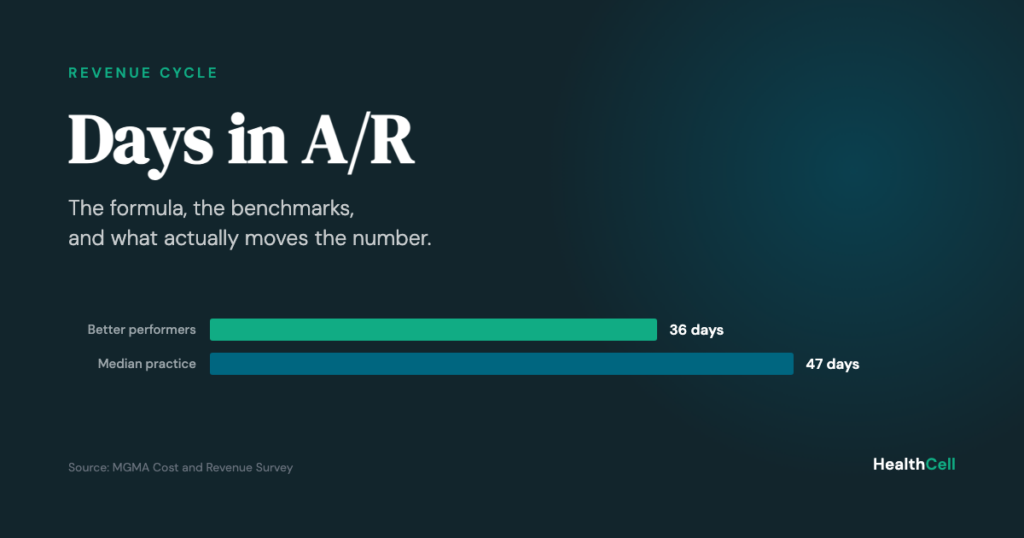
- Increasing days in accounts receivable or claims backlogs
- High turnover or staff burnout within the billing team
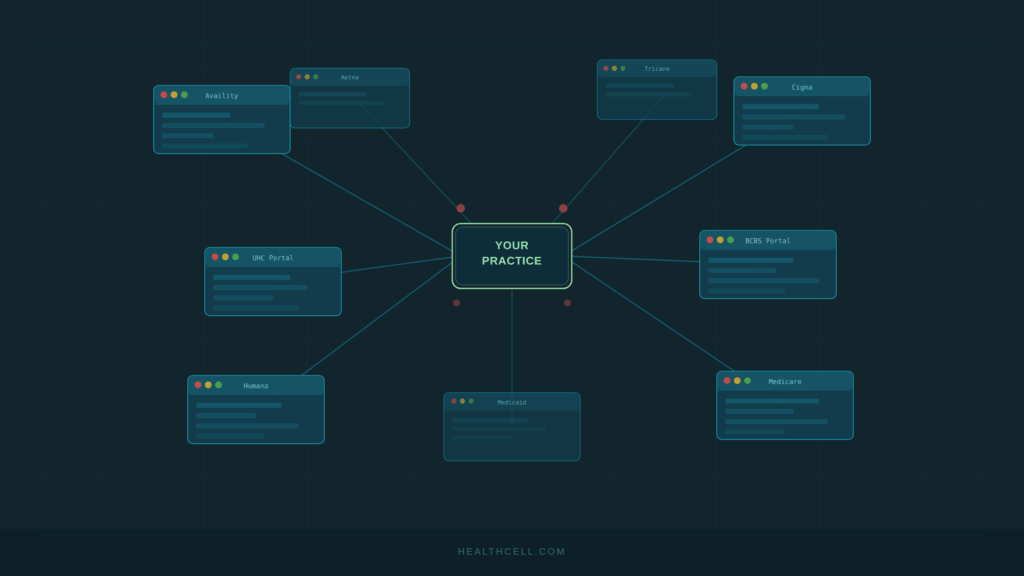
- Frequent payer changes overwhelming internal workflows
- Leadership spending more time on billing issues than on growth or patient care
If two or more of these issues sound familiar, it may be time to take a closer look at whether your current billing model is still cost-effective.
Understand Your True Billing Costs
Get a clear, side-by-side breakdown of in-house billing vs outsourcing—so you can make decisions based on real numbers, not assumptions.
Many practices don’t realize how much in-house billing truly costs until they break it down line by line. A side-by-side cost analysis can often reveal inefficiencies that aren’t obvious day to day.
The Hidden Opportunity Costs Practices Often Miss

Beyond direct expenses, in-house billing creates opportunity costs that rarely show up on financial statements.
Leadership time is one of the biggest. Every hour spent troubleshooting claims, managing billing staff, or responding to payer issues is time not spent improving patient experience, expanding services, or strengthening operations.
Growth can slow unintentionally. Adding providers or locations often means hiring and training more billing staff. Some practices delay expansion simply because their billing infrastructure can’t scale efficiently.
Missed revenue compounds over time. Under-coded claims, delayed submissions, and slow follow-up on denials can quietly reduce collections. Individually, these losses may seem small—but over months and years, they can exceed the perceived savings of keeping billing in-house.
If billing is limiting how fast or confidently your practice can grow, the cost goes far beyond dollars.
How Outsourcing Changes the Cost Equation
Outsourcing billing isn’t just a staffing alternative—it’s a different operating model.
Costs become more predictable. Most outsourced billing arrangements are performance-based, tying fees to collections rather than fixed overhead. This reduces variability and makes budgeting easier.
Expertise is built in. Outsourced teams specialize in billing, coding, and payer rules. Practices benefit from that expertise without absorbing recruitment, training, or turnover costs.
Compliance is continuously managed. Dedicated billing partners stay current with regulatory and payer changes, allowing practices to adapt quickly without pulling focus from internal teams.
Dependency on individuals is reduced. When a staff member leaves, billing operations continue without interruption—an advantage that becomes increasingly valuable as complexity grows.
Comparing Costs: In-House Billing vs. Outsourcing
Looking only at monthly expenses can be misleading. A clearer comparison looks at total cost and long-term impact.
In-house billing often includes:
- Salaries, benefits, and overtime
- Recruiting and training costs
- Software, IT support, and security
- Compliance risk and audit exposure
- Revenue variability tied to staffing
Outsourced billing typically offers:
- Predictable, scalable pricing
- Specialized billing and coding expertise
- Built-in compliance monitoring
- No hiring or turnover disruptions
- Shared accountability for performance
While outsourcing may appear more expensive at first glance, many practices find that long-term stability and improved collections offset the difference.
When Outsourcing Makes Financial Sense
There’s no single tipping point, but certain conditions make outsourcing more compelling.
- Your practice is growing or adding providers
- Your payer mix is becoming more complex
- Staffing challenges or turnover are persistent
- Billing backlogs or denials are ongoing
- Leadership priorities are shifting toward strategy and growth
When billing complexity increases while collections remain flat, it’s often a sign that the current model isn’t built for where the practice is headed.
Cost Isn’t Just About Dollars
The decision to outsource billing isn’t simply about cutting expenses—it’s about total cost of ownership. The least expensive option on paper isn’t always the most cost-effective in practice.
For many medical practices, in-house billing works well early on but becomes increasingly expensive as complexity grows. Recognizing when that shift occurs allows leaders to make proactive decisions that protect revenue and reduce operational strain.
If billing demands are rising while results stay the same, it may be time to ask a different question: Is your billing model supporting your practice’s growth—or quietly holding it back?
A clear assessment of your true billing costs can help determine whether in-house billing is still the right fit—or whether outsourcing would better support your next stage of growth.