Private practice isn’t what it used to be. Reimbursements are tighter, administrative work is heavier, and consolidation pressures continue to grow. Yet, amid the noise, some independent medical practices are not just surviving—they’re thriving.
Successful independent medical practice is about finding an effective rhythm in operations.
These high-performing practices have found a rhythm. They’ve embraced modern operations without losing their independence, built stability without bureaucracy, and used data and partnerships to stay agile in a complex healthcare economy.
At the close of 2025, these are the habits that have separated the most effective independent medical practices from the rest.
1. Measure What Matters Most
The best practices don’t guess about performance—they measure it.
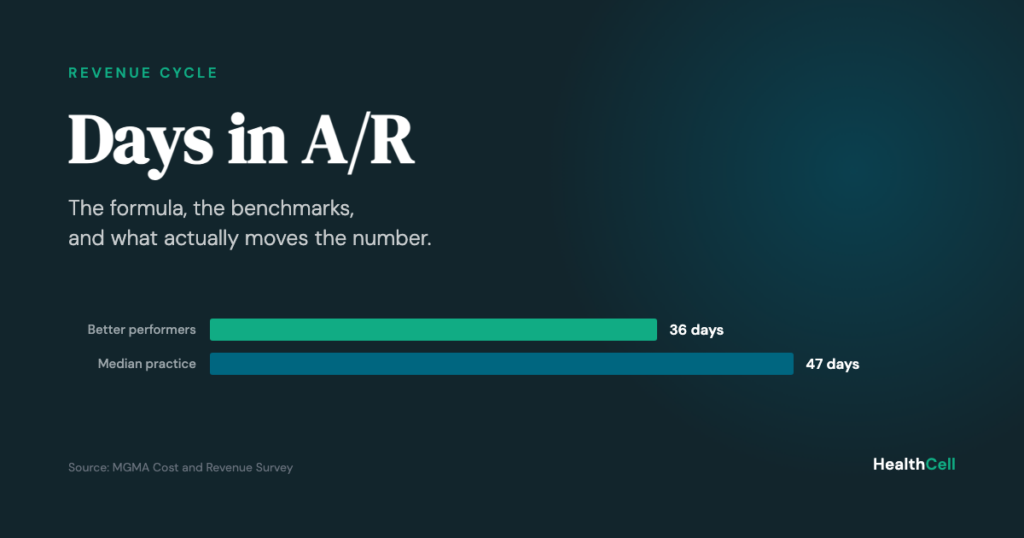
They know exactly how long claims take to get paid, how often denials occur, and what their clean claim rate looks like month over month. Instead of reacting to financial surprises, they track and act on leading indicators like A/R days, first-pass acceptance, and net collection rate.
By focusing on a few key metrics, these practices gain control of their revenue and make confident decisions. They treat financial visibility as a form of independence.
Takeaway: Build a simple dashboard for your core financial metrics. Review it weekly and let data—not hunches—guide your next move.
2. Empower Your People
Independent doesn’t mean doing it alone.
The practices thriving in 2025 invest in their teams the same way hospitals invest in technology. They cross-train staff, standardize workflows, and ensure every team member understands how their work impacts cash flow and patient experience.
Leaders make time for communication and coaching, not just correction. This creates accountability and confidence across the office.
Takeaway: Independence isn’t a solo act—it’s a coordinated effort. Empower staff with clarity, resources, and recognition.
3. Automate the Repetitive, Not the Relational
These practices use technology to make work lighter, not colder.
They automate tasks that drain time—eligibility checks, reminders, reporting—but protect what makes their practice personal: relationships with patients and staff. AI and RCM tools are used to reduce noise, not replace people.
The result? Teams spend less time repeating tasks and more time focusing on care, problem-solving, and communication.
Takeaway: Automate to create space for what truly matters—human connection and patient focus.
4. Build Financial Resilience Before You Need It
Financial stability is a habit, not a reaction.
The most effective practices in 2025 built systems that anticipate disruption—staff turnover, payer delays, or coding shifts—before those issues caused damage. They have clear denial management processes, reserve funds for cash flow gaps, and predictable reporting cycles.
This foresight gives them confidence during uncertainty and flexibility to grow on their own terms.
Takeaway: Use this year’s lessons to stress-test your revenue cycle. If one process failed, fix it now—before it costs you later.
5. Communicate Like a Business, Not Just a Practice
Great medicine depends on great communication—inside and outside the office.
Thriving practices communicate with the polish of a business and the warmth of a care team. They use templates for billing updates, consistent tone for patient reminders, and clear expectations for staff.
They also translate financial and operational updates into language everyone can understand. Transparency builds trust—with both patients and employees.
Takeaway: Treat every message—internal or external—as part of your brand. Clarity, tone, and consistency are business assets.
6. Benchmark Against the Best
The most successful independent practices don’t operate in isolation.
They regularly compare their performance against industry benchmarks or peer practices—whether through MGMA data, RCM audits, or their own analytics partners. Benchmarking helps them see what “good” looks like, identify outliers, and prioritize where to improve next.
This is how small teams compete with large systems: not by working harder, but by working smarter.
Takeaway: Use peer comparisons as a mirror, not a scoreboard. The goal isn’t perfection—it’s progress.
7. Invest in Partnership, Not Just Vendors
The practices thriving in 2025 know that independence doesn’t mean doing everything in-house.
They choose partners—billing, compliance, staffing, analytics—that understand their mission and operate like an extension of their team. These partnerships create bandwidth, reduce burnout, and bring specialized expertise without the overhead.
It’s the difference between outsourcing and aligning: one’s transactional, the other’s transformational.
Takeaway: Look for partners who share your vision for independence—and help you protect it.
The Independence Mindset
Independence isn’t luck. It’s built on discipline, data, and decisions made over time.
The practices that have thrived in 2025 share one belief: staying independent means staying proactive. They protect their autonomy not through resistance, but through readiness. They measure, communicate, and adapt before they have to.
As 2026 approaches, the opportunity is clear—independence is still one of the greatest advantages in healthcare. The difference is in how you manage it.