In today’s healthcare landscape, most independent practices are operating on razor-thin margins. While providers focus on patient care, the financial lifeblood of a practice—timely, accurate reimbursement—often bleeds away quietly through claim denials. On the surface, denials may appear as isolated inconveniences: a few claims delayed here, a payer rejection there. In reality, they represent one of the most significant and preventable drains on practice profitability.
This article explores why denials matter more than many realize, how they accumulate into hidden financial losses, and what independent practices can do to protect their revenue and independence.
The Hidden Cost of Denials
Claim denials are not just an administrative hassle—they are lost revenue, delayed payments, and added labor costs rolled into one. Consider the impact:
- Direct Revenue Loss: Every denied claim is delayed reimbursement, and in many cases, revenue that is never recovered at all. Studies show that up to 65% of denied claims are never resubmitted.
- Cash Flow Disruption: Delayed payments create unpredictable cash flow, making it harder to cover payroll, pay vendors, and invest in growth.
- Increased Administrative Burden: Each denied claim must be reviewed, corrected, and resubmitted—often multiple times. For practices already stretched thin on staff, this extra workload strains resources.
- Provider Satisfaction Risks: When billing inefficiencies create financial stress, physician-owners are pulled further into administrative oversight, detracting from patient care.
Left unchecked, denials don’t just nibble at the edges—they eat away at profitability and independence.
Why Denials Persist
Despite new billing technologies and evolving payer rules, denials remain stubbornly common. The reasons include:
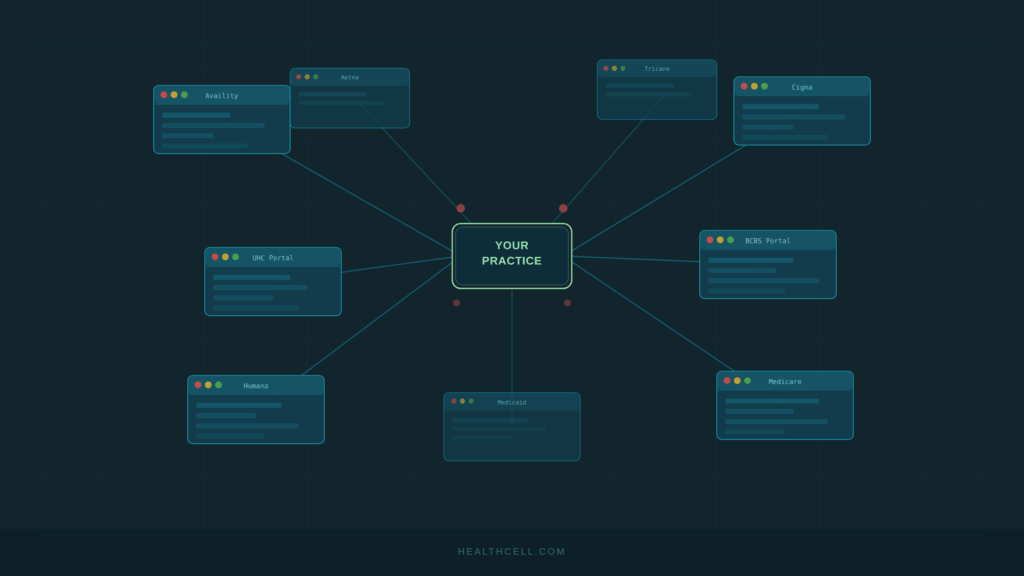
- Complex Payer Requirements – Each payer has unique coding, documentation, and filing rules. Missing a single detail often leads to rejection.
- Staff Turnover & Training Gaps – Billing staff turnover is high, and new employees may not be fully trained on payer nuances, leading to errors.
- Manual Processes – Practices still relying on manual checks and fragmented workflows are more prone to mistakes.
- Limited Visibility – Many practices lack reporting tools to identify patterns in denials, so the same errors are repeated month after month.
The result: practices spend precious time fixing problems reactively instead of preventing them proactively.
For independent practices, denials represent more than missed dollars—they threaten long-term independence. When margins shrink:
The Cumulative Effect: Eroding Independen
- Owners may feel pressured to sell or merge with larger groups.
- Practice managers struggle to justify staff budgets.
- Patient care investments are deferred.
Over time, the quiet erosion of revenue limits the ability to grow and thrive. What seems like “just a few denials” becomes a strategic risk to the very future of the practice.
Proven Strategies to Reduce Denials
The good news: denial prevention is achievable with the right processes, tools, and partnerships. Practices that consistently achieve 98%+ clean claim rates share several best practices.
1. Invest in Front-End Accuracy
Eligibility verification, prior authorizations, and clean coding are your first line of defense. Automating these steps, or outsourcing them to trained specialists, reduces errors before claims ever reach the payer.
2. Monitor Denial Trends
Regularly analyze denial data to uncover root causes. Are claims denied for coding issues, missing documentation, or late submissions? Identifying patterns turns denial management from reactive to preventive.
3. Standardize Workflows
Fragmented billing processes invite mistakes. Standardized checklists, clear SOPs, and dedicated denial management protocols ensure consistency, even when staff changes.
4. Leverage Technology Without Disruption
You don’t need to rip and replace your EHR or practice management system to improve billing outcomes. Partner with revenue cycle experts who adapt to your systems, strengthen workflows, and enhance performance without disruption.
5. Create Accountability & Transparency
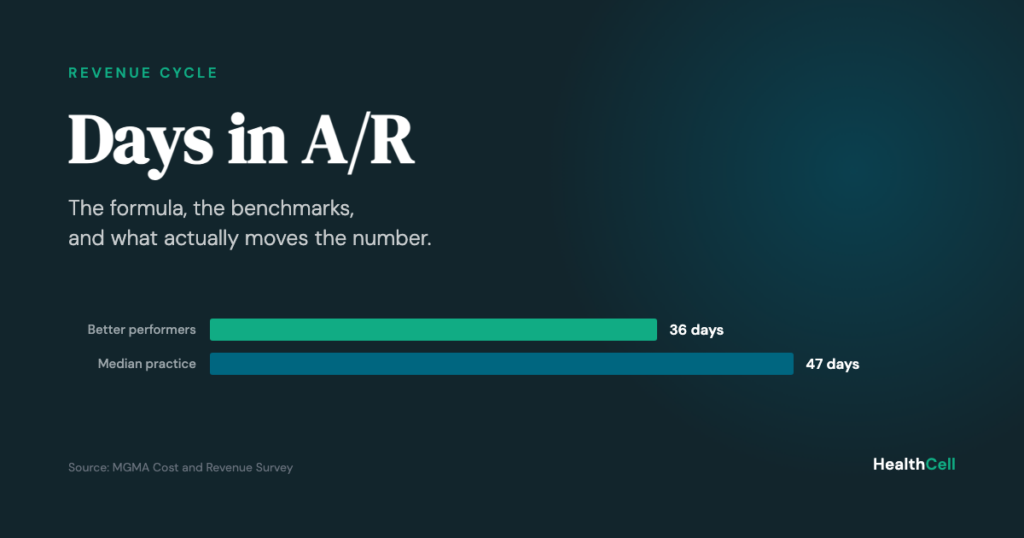
Dashboards, reports, and benchmarks give practice leaders visibility into financial health. When AR days, clean claim rates, and denial causes are transparent, leadership can make proactive, informed decisions.
Partnering for Prevention
While many practices attempt to tackle denials in-house, the complexity of payer rules and the time required for effective management make it an uphill battle. That’s where a trusted partner adds value.
At HealthCell, denial prevention isn’t an afterthought—it’s the foundation of our approach. With 98%+ clean claim rates, dedicated denial management specialists, and proven workflows across 40+ EHR and PM systems, we help independent practices capture the revenue they’ve already earned. Our clients routinely see 15–20% improvements in collections and 20–30% reductions in AR days, without the disruption of switching systems or long-term contracts.
The Bottom Line
Every denied claim represents more than lost dollars. It’s lost independence, lost growth, and lost peace of mind. For independent practices, preventing denials is not just a billing priority—it’s a survival strategy.
By focusing on front-end accuracy, analyzing trends, standardizing workflows, and partnering with a system-flexible RCM expert, practices can stop the quiet erosion of profitability and reclaim their financial health. The result? More stable revenue, more time for patients, and a future built on independence rather than uncertainty.