Cardiology groups face some of the most complex billing and reimbursement challenges in healthcare. High-dollar procedures, extensive prior authorization requirements, and strict payer scrutiny make revenue cycle performance a defining factor in practice stability. For many independent cardiology practices, the question isn’t whether to improve billing operations — it’s which model will deliver the most predictable results with the least disruption. Understanding the options, including Cardiology Medical Billing Services, is crucial for making informed decisions about Cardiology Medical Billing Services.
Most cardiology practices rely on one of three approaches: maintaining an in-house billing team, outsourcing to a traditional billing company or partnering with an integrated, end-to-end model like HealthCell. Each path has strengths, limits and varying levels of alignment with the demands of cardiology. Here’s how they compare.
Exploring Cardiology Medical Billing Services can provide insights into optimizing billing strategies and enhancing overall financial health in a competitive landscape focused on Cardiology Medical Billing Services.
What Cardiology Practices Need From a Billing Partner
Predictable Cash Flow and Lower Denials
Because cardiology procedures involve higher reimbursement and more complex documentation, even small increases in denial rates can translate into major revenue loss. Clean claims and proactive follow-up are essential.
Specialty-Level Coding and Prior Authorization Expertise
Stress tests, echoes, nuclear imaging and catheterization lab procedures require precise coding and documentation. Cardiology also carries a heavy prior auth burden, making accuracy and speed essential to keeping schedules full.
Transparent Reporting
Practice managers and physician-owners need clear visibility into aging claims, denial trends, payer performance and true net collection rate. Without transparency, revenue gaps appear without warning.
Minimal Operational Disruption
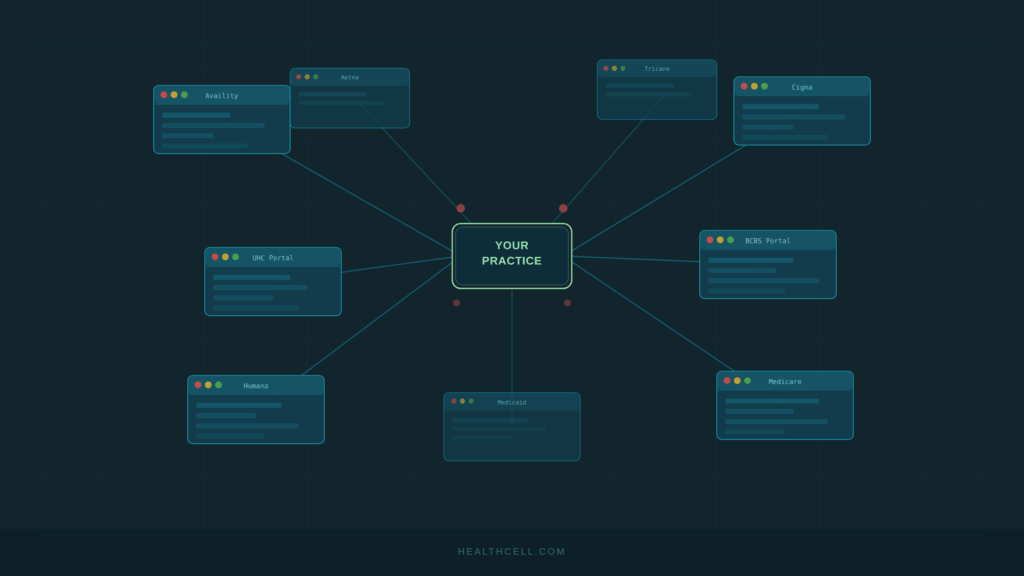
A billing partner should integrate seamlessly with existing systems and workflows, without forcing technology changes or increasing administrative burden on staff.
Model 1: In-House Cardiology Billing
Strengths
- Full control and direct oversight
- Staff familiarity with providers’ documentation and preferences
- Real-time communication between clinical and billing staff
Limitations
- Difficult to maintain deep cardiology-specific billing expertise
- Turnover creates immediate revenue disruption
- Limited bandwidth for denial analysis or continuous improvement
- Ongoing training and compliance updates require significant investment
Best Fit
Very small cardiology groups with stable staff and predictable visit volumes.
Model 2: Traditional Outsourced Medical Billing Companies
Strengths
- Access to larger teams with general RCM experience
- Potentially lower overhead than in-house staff
- Some vendors offer specialty coders or teams
Limitations
- Rigid, template-driven processes that may not adapt to cardiology workflows
- Gaps in specialty-level expertise lead to preventable denials
- Limited transparency into billing performance
- Slow response times or difficulty escalating issues
- Practices may feel like one account in a large queue
Best Fit
Cardiology practices with moderate complexity that need basic claims management and AR follow-up, but not full operational support.
Model 3: HealthCell’s Cardiology Medical Billing Services
HealthCell’s model differs from both in-house teams and traditional vendors by providing a fully integrated operational partnership. The team adapts to a practice’s existing EHR and workflows rather than imposing new systems, and assumes full responsibility for the revenue cycle — from eligibility through payment posting.
How HealthCell Supports Cardiology Practices
Cardiology-Specific Coding Expertise
HealthCell’s specialists handle coding for the full cardiology spectrum, including echoes, stress tests, nuclear cardiology studies, catheterization lab procedures and chronic disease management. This reduces undercoding and audit risk while improving accuracy.
Proactive Denial Prevention and AR Management
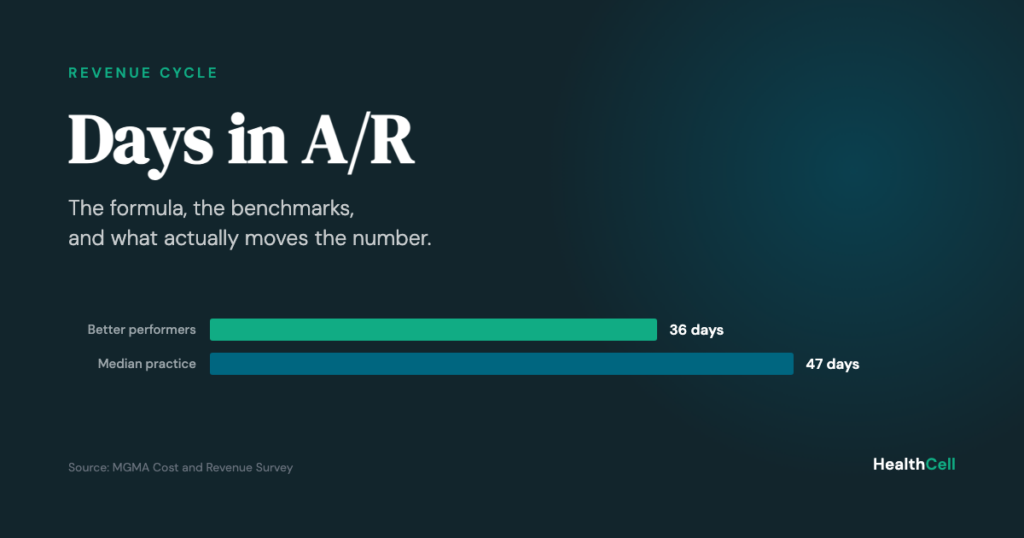
Rather than reacting to denials, the team focuses on root-cause analysis to prevent them. This approach helps practices reduce AR days and maintain more predictable cash flow.
Transparent Reporting and Clear Insights
Cardiology groups receive visibility into denial trends, payer behavior and financial opportunities through monthly and quarterly reviews tied to specialty benchmarks.
Seamless Workflow Integration
HealthCell works within the practice’s existing EHR or PM system, minimizing disruption during onboarding and day-to-day operations. Dedicated account managers ensure communication remains simple and human.
Improved Patient Experience
Cleaner front-end workflows, faster eligibility checks and fewer billing questions create a smoother patient experience and reduce administrative pressure on staff.
Best Fit
Independent cardiology practices that want a specialized, end-to-end partner to support growth, improve financial stability and protect independence.
Side-by-Side Comparison of Cardiology Billing Models
Below is a simplified, text-based comparison using the criteria most important to cardiology practices.
| Category | In-House Billing | Traditional Billing Company | HealthCell End-to-End Model |
|---|---|---|---|
| Cardiology Coding Accuracy | Variable; depends on staff | Moderate; often generalist coders | High; specialty-specific coders |
| Prior Authorization Handling | Limited capacity | Basic processing | Integrated, proactive management |
| Denial Prevention | Reactive, capacity-limited | Reactive; template-driven | Proactive root-cause prevention |
| AR Days | Highly variable | Moderate improvement | Significant improvement with specialty focus |
| Reporting Transparency | Depends on internal tools | Often limited or delayed | Clear, actionable reporting |
| Workflow Integration | Highest alignment | Requires adapting to vendor systems | Full alignment to existing workflows |
| Cost Predictability | High overhead, fixed staffing | Monthly vendor fee | Predictable, scalable pricing |
| Disruption Risk | High during turnover | Moderate; onboarding required | Low; seamless system adoption |
| Patient Experience Impact | Inconsistent | Mixed | Improved through better front-end processes |
How to Choose the Right Cardiology Medical Billing Company
Ask Yourself:
- Are denials increasing or remaining stable?
- Do we know our true net collection rate?
- Can our team keep up with cardiology coding and payer updates?
- Do we have full visibility into payer performance?
- How much operational disruption can we tolerate?
- Does our revenue cycle support our long-term independence?
The goal isn’t simply to outsource billing — it’s to adopt a model that supports consistent cash flow, protects the practice from administrative strain and allows providers to stay focused on patient care.
Why Many Cardiology Practices Are Moving Toward Integrated Models
Independent cardiology practices are under pressure to do more with less — more prior authorizations, more documentation, more payer scrutiny and more patient expectations — with fewer administrative resources. Many groups are shifting toward integrated, end-to-end billing partnerships because they offer the specialty expertise, transparency and operational support needed to maintain profitability without adding overhead.
HealthCell’s model emphasizes financial stability, practice independence and a human-first operational partnership. By combining specialty-level expertise with adaptable workflows, the team helps practices stay in control without being burdened by the complexities of the revenue cycle.
Conclusion
Cardiology billing is too specialized and too high-stakes for a generic approach. In-house teams offer control, traditional vendors offer capacity and HealthCell’s end-to-end model offers specialty-aligned support with minimal disruption. The right choice depends on the practice’s goals, complexity and resources — but for many independent cardiology groups, a fully integrated approach delivers the transparency, predictability and partnership needed to thrive.
Ready for More Clarity?
If you’d like a clear picture of your cardiology practice’s revenue opportunities, HealthCell can provide a no-pressure review to help you understand your options.